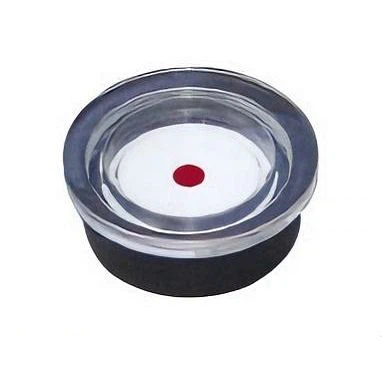
Hey there, fellow sewing enthusiasts! As a supplier of Sewing Machine Handwheel, I've seen and heard it all when it comes to sewing machine issues. One of the most common complaints I get from customers is that grating sound coming from the sewing machine handwheel. It's not just annoying; it can also be a sign of underlying problems that, if left unchecked, could lead to more significant issues down the road.
So, what exactly causes that grating sound? Well, there are a few different culprits, and I'm going to break them down for you.
1. Lack of Lubrication
One of the most common reasons for a grating sound is a lack of lubrication. Over time, the moving parts of the handwheel can dry out, causing friction between the components. This friction is what creates that unpleasant grating noise. It's like when you try to open a squeaky door without oiling the hinges – it just doesn't work smoothly.
To fix this issue, you'll need to lubricate the handwheel. Most sewing machines come with a specific type of oil recommended by the manufacturer. You can usually find this oil at your local sewing machine store or online. Just a few drops in the right places can make a world of difference. Look for the small holes or channels around the handwheel where the oil can seep in and do its job. Make sure to follow the manufacturer's instructions for lubrication to avoid over - oiling, which can also cause problems.
2. Dirt and Debris
Another common cause is dirt and debris that have found their way into the handwheel mechanism. Thread bits, lint, and dust can accumulate over time, interfering with the smooth operation of the handwheel. It's like having sand in a well - oiled machine; it just doesn't work right.
To clean the handwheel, you'll need to use a small brush, like a toothbrush, to gently remove the dirt and debris. You can also use compressed air to blow out any hard - to - reach particles. Be careful not to damage any of the delicate parts while you're cleaning. If the dirt is really stubborn, you might need to disassemble the handwheel (but only if you're confident in your abilities or have the machine's manual to guide you).
3. Worn - Out Parts
Sometimes, the grating sound can be a sign that one or more of the handwheel parts are worn out. The gears, bearings, or other components may have started to deteriorate over time, especially if the sewing machine has been used frequently. It's like when your car's engine starts making strange noises because the parts are getting old.
If you suspect that a part is worn out, you'll need to replace it. As a Sewing Machine Handwheel supplier, I can tell you that finding the right replacement part can be a bit tricky. You'll need to know the make and model of your sewing machine to ensure you get the correct part. You can usually find replacement parts from the sewing machine manufacturer or through an authorized dealer.
4. Misalignment
Misalignment of the handwheel can also cause a grating sound. This can happen if the sewing machine has been bumped or moved around a lot, or if it wasn't assembled correctly in the first place. It's like trying to fit a square peg into a round hole; it just doesn't work.
To check for misalignment, you'll need to visually inspect the handwheel and its surrounding components. Look for any signs that the handwheel isn't sitting straight or that it's rubbing against other parts. If you find that it's misaligned, you may be able to adjust it yourself. However, if you're not sure how to do this, it's best to take your sewing machine to a professional technician.
5. Loose Screws
Loose screws can also be the culprit. Over time, the vibrations from the sewing machine can cause the screws that hold the handwheel in place to loosen. This can lead to a wobbly handwheel and that annoying grating sound. It's like a loose screw in a piece of furniture; it just doesn't feel stable.
To fix this, you'll need to use a screwdriver to tighten the screws around the handwheel. Make sure not to overtighten them, as this can cause damage to the parts. Just give them a gentle turn until they're snug.
Other Related Issues
While we're on the topic of sewing machine problems, it's worth mentioning a couple of other related issues. Sometimes, a problem with the handwheel can be related to other parts of the sewing machine. For example, if the Sewing Machine Work Light Switch isn't working properly, it could be a sign of a more significant electrical issue that might also affect the handwheel. Similarly, if the Air Suction Device isn't functioning correctly, it could lead to more dirt and debris in the machine, which can in turn cause problems with the handwheel.
If you're experiencing multiple issues with your sewing machine, it might be a good idea to have it professionally serviced. A technician can do a thorough inspection and identify all the problems at once, saving you time and hassle in the long run.


When to Seek Professional Help
If you've tried all the above solutions and the grating sound still persists, it's time to seek professional help. A professional sewing machine technician has the tools and expertise to diagnose and fix more complex problems. They can also perform a full - service check on your sewing machine to ensure that everything is in working order.
Contact for Procurement
If you're in the market for a new Sewing Machine Handwheel or other sewing machine parts, I'm here to help. As a supplier, I offer high - quality products at competitive prices. Whether you're a professional seamstress or a hobbyist, I've got the parts you need to keep your sewing machine running smoothly. If you have any questions or want to discuss your procurement needs, don't hesitate to reach out.
References
- Sewing Machine Manuals: Most sewing machine manufacturers provide detailed information about maintenance and troubleshooting in their manuals.
- Online Sewing Communities: There are many online forums and communities where sewing enthusiasts share their experiences and solutions to common problems.