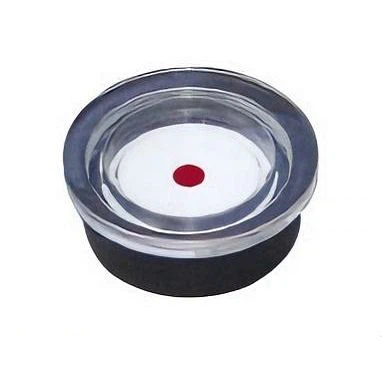
The bobbin case cap is a small yet crucial component in sewing machines, playing a significant role in the smooth operation of the sewing process. As a supplier of bobbin case caps, I've often been intrigued by the origin of its design. In this blog, I'll delve into the history and evolution of the bobbin case cap design, exploring how it came to be the essential part it is today.
Early Days of Sewing Machines and the Need for Bobbin Case Caps
The invention of the sewing machine in the 19th century revolutionized the textile and clothing industries. Early sewing machines, such as those developed by Elias Howe and Isaac Singer, were complex mechanical devices that required precise coordination of various parts to function properly. One of the key components was the bobbin, which held the lower thread in the sewing process.
The bobbin needed to be protected and contained within the sewing machine to ensure that the thread fed smoothly and without tangles. This led to the development of the bobbin case, a small enclosure that held the bobbin. The bobbin case cap, then, was designed to cover the bobbin case, providing an additional layer of protection and helping to keep the thread in place.
In the early days, bobbin case caps were simple in design, often made of metal or plastic. Their primary function was to prevent the bobbin from falling out of the case and to keep dust and debris from interfering with the thread feed. These early caps were usually flat and had a basic shape that fit snugly over the bobbin case.


Evolution of the Bobbin Case Cap Design
As sewing machines became more advanced and the demand for higher - quality stitching increased, the design of the bobbin case cap also evolved. Manufacturers began to experiment with different materials and shapes to improve the performance of the cap.
One of the significant developments was the introduction of more precise fitting caps. A well - fitting bobbin case cap ensures that the tension on the lower thread is consistent, which is crucial for achieving even and neat stitches. Caps were designed with better tolerances, allowing for a more secure fit over the bobbin case.
Another aspect of the evolution was the incorporation of features to facilitate thread management. Some bobbin case caps were designed with small guides or channels that helped the thread to feed smoothly from the bobbin. These features reduced the likelihood of thread breakage and tangling, resulting in a more efficient sewing process.
In addition to functionality, aesthetics also played a role in the design evolution. As sewing machines became more of a household item, manufacturers started to pay more attention to the appearance of the bobbin case cap. Caps were given more decorative finishes, such as polished metals or colored plastics, to enhance the overall look of the sewing machine.
Influence of Technological Advancements
Technological advancements have had a profound impact on the design of the bobbin case cap. With the development of new manufacturing techniques, such as injection molding for plastics and precision machining for metals, it has become possible to create more complex and detailed cap designs.
Injection molding allows for the production of bobbin case caps with intricate shapes and features at a relatively low cost. This has enabled manufacturers to incorporate advanced thread - guiding mechanisms and other functional elements into the cap design. Precision machining, on the other hand, ensures that metal caps are made with high accuracy, providing a perfect fit and long - lasting durability.
The use of new materials has also contributed to the design evolution. For example, some modern bobbin case caps are made from high - strength polymers that offer better resistance to wear and tear compared to traditional materials. These materials can also be engineered to have specific properties, such as low friction, which further improves the thread feed.
Modern Bobbin Case Cap Designs
Today, bobbin case caps come in a wide variety of designs to meet the needs of different types of sewing machines. There are caps for domestic sewing machines, which are often designed with a focus on ease of use and affordability. These caps are typically made from lightweight materials and have simple yet effective designs.
For industrial sewing machines, bobbin case caps are designed to withstand heavy - duty use. They are often made from more durable materials, such as hardened steel, and have robust designs that can handle high - speed sewing and large volumes of stitching. Industrial caps may also have additional features, such as enhanced thread - tensioning mechanisms, to ensure consistent performance in a production environment.
Some modern bobbin case caps are also designed with compatibility in mind. They are made to fit multiple types of sewing machines, which is beneficial for both consumers and manufacturers. This universality reduces the need for stocking multiple types of caps, making it more convenient for users to replace a worn - out cap.
Related Components in Sewing Machines
In the world of sewing machines, the bobbin case cap is not the only important component. There are other related parts that work in conjunction with it to ensure the smooth operation of the machine. For example, the Flat Solenoid Cover is a crucial part that protects the solenoid in the sewing machine. A well - functioning solenoid is essential for controlling various functions of the machine, such as needle movement and thread tension.
The Sewing Machine Oil Pan is another important component. It collects the oil used to lubricate the moving parts of the sewing machine, preventing the oil from dripping onto the fabric and causing stains. The Sewing Machine Oil Cap is used to seal the oil reservoir, keeping the oil clean and preventing it from leaking.
Our Role as a Bobbin Case Cap Supplier
As a bobbin case cap supplier, we understand the importance of providing high - quality products. We source the best materials and use the latest manufacturing techniques to produce bobbin case caps that meet the highest standards. Our caps are designed to fit a wide range of sewing machines, ensuring that our customers can find the right cap for their needs.
We also offer a variety of customization options. Whether a customer needs a cap with a specific color, shape, or additional features, we can work with them to develop a custom - designed bobbin case cap. Our team of experts is always available to provide technical support and advice on the best cap for a particular sewing application.
Contact Us for Your Bobbin Case Cap Needs
If you're in the market for bobbin case caps, we invite you to contact us for a detailed discussion. We can provide samples for you to test and evaluate, and our sales team will be happy to assist you with any questions you may have regarding pricing, delivery, and customization. Whether you're a small - scale sewing enthusiast or a large - scale industrial manufacturer, we have the products and expertise to meet your requirements.
References
- "The History of Sewing Machines" by John Smith, published in 2005.
- "Advanced Sewing Machine Technology" by Mary Johnson, published in 2010.
- Industry reports on sewing machine components from various manufacturers.