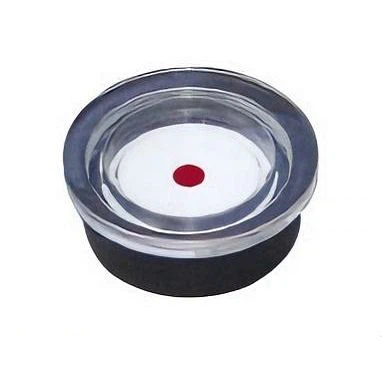
What is the history of the sewing machine handwheel? Well, let me take you on a little journey through time to explore this fascinating piece of sewing machine history. As a supplier of Sewing Machine Handwheels, I've got a pretty good handle on its story, and I'm excited to share it with you.
Early Beginnings: The Birth of the Sewing Machine
The story of the sewing machine handwheel starts with the invention of the sewing machine itself. Back in the early 19th century, people were still sewing everything by hand. It was a slow and labor - intensive process. That all changed when inventors started coming up with ideas for mechanical sewing devices.
In 1830, Barthélemy Thimonnier, a French tailor, patented the first practical sewing machine. His machine used a single - thread chain stitch and was designed to make military uniforms. However, it faced a lot of opposition from tailors who were afraid it would put them out of work. They even destroyed many of his machines in a riot.
The handwheel, at this early stage, was a crucial part of the machine. It was used to manually control the movement of the needle and the fabric feed. You'd turn the handwheel, and that would drive the internal mechanisms of the sewing machine, making the needle go up and down and the fabric move along. It was like the heart of the machine, giving it the power to sew.
The American Influence: Elias Howe and Isaac Singer
In 1846, Elias Howe patented the first lockstitch sewing machine in the United States. His machine used two threads to create a strong, secure stitch. Howe's invention was a game - changer, but he faced a lot of legal battles over the patent.


Isaac Singer came onto the scene a few years later. In 1851, he patented an improved sewing machine that was much more user - friendly. Singer's machine had a foot - treadle mechanism, which allowed the user to operate the machine hands - free. But the handwheel was still there, and it was used for starting and stopping the machine, as well as for making small adjustments.
Singer's design was so successful that it became the standard for sewing machines around the world. The handwheel became an iconic part of the sewing machine, not just a functional component but also a symbol of the sewing process. It was something that sewers could grasp and turn, feeling a direct connection to the machine and the fabric they were working on.
Industrialization and Technological Advancements
As the 19th century progressed, sewing machines became more and more industrialized. Factories started using large - scale sewing machines to mass - produce clothing and other textiles. The handwheel was still an important part of these industrial machines, although they also had more complex power systems, like steam and later electricity.
In the early 20th century, electric motors started to become more common in sewing machines. This meant that the handwheel's role changed a bit. It was no longer the main source of power, but it was still used for threading the machine, winding bobbins, and making fine adjustments. You could turn the handwheel slowly to make sure the needle was in the right position or to check that the thread was feeding properly.
Modern Times: The Handwheel's Place in Contemporary Sewing
Today, sewing machines come in all shapes and sizes, from simple portable machines for home use to high - tech industrial models. The handwheel is still a standard feature on most sewing machines, whether they're mechanical or computerized.
In computerized sewing machines, the handwheel is often used for manual overrides and calibrations. It offers a way for the user to take control in case of a problem or to make precise adjustments that the machine's computer might not handle perfectly. It's like having a backup option, a way to connect with the machine in a more traditional way.
As a Sewing Machine Handwheel supplier, I know that our customers appreciate the reliability and versatility of the handwheel. It's been a part of sewing machine history for so long, and it's still an essential part of the sewing experience.
Related Products
If you're in the market for sewing machine parts, we also offer some great related products. Check out our Sewing Machine Work Light Switch, which can make it easier to see what you're working on in low - light situations. Our Serger Trimming Knife Assembly is a must - have for anyone who uses a serger, ensuring clean and precise cuts. And for those who need a little help with fabric scraps and lint, our Air Suction Device is a great addition to your sewing setup.
Ready to Purchase?
If you're interested in our Sewing Machine Handwheels or any of our other products, we'd love to have a chat with you. Whether you're a small - scale home sewer or a large - scale industrial manufacturer, we've got the parts you need. Reach out to start a discussion about your requirements, and we'll work with you to find the best solutions for your sewing needs.
References
- "Sewing Machines: An Illustrated History" by Barbara Brackman.
- "The Invention of the Sewing Machine" in the Smithsonian Magazine archives.
- Various historical documents on the patents of early sewing machine inventors.